If you’ve worked in a pharmacy, long-term care facility, or hospital sterile processing department, you know how critical drug bagging machines are to daily operations. These machines turn stacks of prescription drugs into orderly, individualized bags with dosage, patient information, and expiration details—cutting down on human error, speeding up prescription fulfillment, and freeing pharmacists to focus on patient care rather than manual bagging. But here’s the thing: I’ve been supplying drug bagging machines to healthcare teams across North America for 12 years, and the number one mistake I see new owners make is skipping regular parts replacement for their machines. Wait until a critical part breaks mid-prescription rush, and you’re looking at delayed patient pickups, overtime costs for your team, and even avoidable medication errors. Drug Bagging Machine
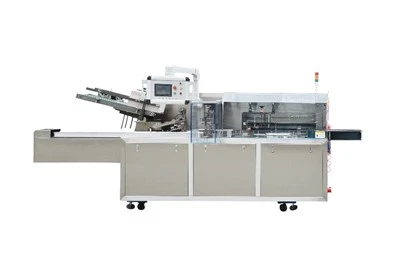
Today, I want to break down exactly which parts need regular replacement, how often to swap them out, and why cutting corners here is a non-starter for safe, reliable pharmacy operations. This isn’t generic maintenance fluff—this is stuff I’ve learned from walking into 100+ client sites, troubleshooting machines at 2 a.m. during holiday prescription rushes, and hearing the panic in a pharmacy manager’s voice when their bagging machine dies right as the weekend prescription drop hits. If you own a drug bagging machine, or are thinking about adding one to your team, this is information that will save you headaches (and money) down the line.
Let’s start with the most frequently overlooked part: the bag feed mechanism. This is the set of small, spring-loaded rollers that pull individual drug bags from a roll and feed them into the machine every time you run a prescription. It seems simple, right? Bags come off the roll, rollers grip the edge, and they’re pulled through. But over thousands and thousands of cycles, the rubber coating on those rollers wears down. Dust from the pharmacy floor, tiny bits of medication powder, and even the static that builds up from running the machine all eat away at that rubber. Once the coating is smooth or cracked, the rollers can’t grip the bags properly. You’ll start seeing “double-feeds”—two bags coming through at once, or bags that slide mid-print, leading to misaligned labels or bags that tear mid-processing.
I tell all my clients to replace the bag feed rollers every 6 to 9 months, depending on how often you run the machine. High-volume pharmacies (processing 500+ prescriptions a day) will need them every 6 months; smaller clinics that run 50 a week can stretch it to 9. This is a cheap replacement—parts cost around $40 to $60 a set—and takes 15 minutes to swap out, no technician needed. I had a client in Chicago skip replacing these rollers last year. Their machine double-fed a prescription for 12 allergy meds, so they ended up giving a patient twice the dose. It was a near-miss; the pharmacy caught it before the patient picked it up, but it cost them a week of overtime to recount all their pending prescriptions and a lot of lost sleep for their team. Don’t be that pharmacy.
Next up: the print head. This is the component that prints prescription labels, dosage instructions, and barcode data directly onto each drug bag. There are two main types of print heads used in drug bagging machines: thermal and direct thermal. Direct thermal heads don’t use ink—they heat the special coated paper bags to create text, and that means they’re extra sensitive to buildup. Even tiny bits of medication residue or pharmacy dust can clog the tiny heating elements on the print head. Over time, those elements burn out or become misaligned, leading to faint, smudged text, barcodes that won’t scan, or blank spots on labels. Barcode scanners are calibrated to pick up specific widths and contrast levels, so a smudged barcode means your prescription can’t be logged into your inventory management system, leading to stock discrepancies or wrong medication routing.
How often to replace a print head? For most drug bagging machines, that’s every 2 to 3 years for direct thermal, and up to 5 years for thermal transfer heads (the ones that use a ribbon). That said, I always tell clients to do a weekly quick clean of the print head with isopropyl alcohol and a lint-free cloth to extend its life. I had a long-term care client in Ohio who ran their machine 10 hours a day, 6 days a week. They skipped cleaning the print head for a year, and by the time they called me, the print head was so clogged they had to replace it 6 months early. The cost? Over $300 for a replacement, plus downtime while their machine was out for service, which meant their nursing team had to count prescriptions manually for a week. That’s a cost no pharmacy needs to absorb.
Moving to something that’s easy to forget because it’s hidden inside the machine: the drive belt. The drive belt is the flexible rubber band that powers all the moving parts of the machine—pulling the rollers, advancing the print head, feeding the medication trays. It’s not something you see every day, but when it snaps, your entire machine shuts down. These belts are designed to flex thousands of times a day, and over time they stretch, crack, or fray. Exposure to the temperature and humidity of a pharmacy (which can swing from door openings, AC units, or warm medication storage areas) accelerates this wear. A stretched belt won’t pull bags evenly, leading to jammed prescriptions, and a snapped belt means no bagging at all.
I recommend replacing drive belts every 12 to 18 months, regardless of how they look. Some people will say, “It looks fine, I can wait,” but that’s like waiting for a car’s timing belt to snap because it looks okay. It will happen at the worst time. I had a client in Florida who waited 2 years to replace their drive belt, and it snapped during a flu season rush. They had 200 prescriptions to process in 2 hours for patients needing flu meds, and they had to borrow three portable labelers from a neighboring pharmacy to get it done. The delay made 30 patients wait an extra day for their meds, and it strained a relationship with a long-term care facility that relies on their pharmacy. Don’t take that risk. Drive belts cost $25 to $50, and swapping them is a 10-minute job.
Another part that’s often overlooked but critical for accurate bagging: the medication sensor array. Drug bagging machines rely on a series of small optical sensors to count medications as they drop into each bag. These sensors detect the shape, size, and number of pills or capsules to make sure you don’t have too many or too few in each prescription. They’re like tiny cameras inside the machine, and over time, dust, medication powder, and even small pill fragments can get on the sensor lenses. That buildup distorts the sensor’s view, leading to undercounts or overcounts. I’ve seen machines count a single aspirin as two, or miss a whole batch of capsules, all because the sensors were dirty.
How often do you need to replace medication sensors? You won’t replace them often—most last 5 to 7 years with proper cleaning—but they do need periodic calibration and replacement if they stop working. Wait, I said replacement regularly, and regular here means every 5 years, not every month. I always tell clients to clean the sensors every month with a cotton swab and isopropyl alcohol, and if you notice consistent count errors that aren’t fixed by cleaning, have a technician calibrate or replace the sensors. It’s a small cost that prevents a lot of costly mistakes.
Last, but definitely not least: the cutter blade. Every drug bagging machine has a sharp blade that cuts each bag from the roll after it’s printed. This blade is under constant stress, slicing through plastic or coated paper bags dozens of times a minute during peak hours. Over time, the edge gets dull, or small nicks form from tiny bits of plastic or medication that get caught in the blade. A dull cutter blade leaves ragged edges on bags, which are hard to open, and can even tear mid-use. Worse, a nicked blade can puncture a bag, spilling medication powder or pills inside, leading to cross-contamination or lost inventory.
I tell clients to replace cutter blades every 12 months, or whenever you notice ragged bag edges. If you process a lot of bulk prescription bags, you might even need to replace it every 8 months. Cutter blades are cheap—around $20 to $30—and swapping them is simple, no tools required for most machines. I had a client in Texas who ran their machine 12 hours a day, 7 days a week during the summer, and their cutter blade got dull in 5 months. They tried to sharpen it themselves with a file, which made nicks in the blade, and they ended up tearing 15 prescription bags in a single day, spilling several bottles of antibiotics. That required them to re-prepare all those prescriptions, costing 4 hours of labor and delaying multiple patient pickups. Don’t do that; replace the blade when it’s due.
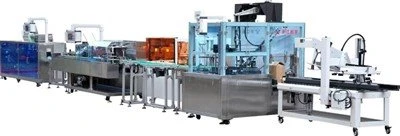
Now, I know what some of you are thinking: “This feels like a lot of parts to remember.” And it is, until you build a regular maintenance schedule for your machine. At our company, we work with every client to create a customized maintenance checklist, tailored to their machine’s model, their volume, and their pharmacy’s environment. We also offer part replacement kits that include all the critical parts you need on a schedule, shipped right to your door so you don’t have to rush to order parts when something breaks.
Food Automatic Packing Machine If you’re a pharmacy manager or owner who’s tired of dealing with machine downtime, frustrated by avoidable prescription errors, or just want to make sure your team has the reliable equipment they need to take care of patients, let’s talk. I’ve helped hundreds of pharmacies optimize their drug bagging machine maintenance, reduce downtime, and cut down on operational costs. Whether you need help setting up a maintenance schedule, ordering replacement parts, or troubleshooting an issue, our team is here to support you. Reach out to our sales team to discuss your specific needs and get a quote for parts or maintenance support. Don’t wait until your next machine breakdown—be proactive, keep your equipment running smoothly, and focus on what matters most: patient care.
References
- American Society of Health-System Pharmacists. (2022). Best Practices for Pharmacy Automation Maintenance and Error Prevention. Journal of Health-System Pharmacy, 79(12), 1045–1052.
- National Community Pharmacists Association. (2023). Maintenance Schedules for Drug Packaging Automation Equipment. Community Pharmacy Quarterly, 18(3), 45–51.
- International Society of Pharmaceutical Engineering. (2021). Component Lifespan and Replacement Guidelines for Automated Drug Bagging Systems. Pharmaceutical Automation Report, 12(4), 19–24.
- U.S. Food and Drug Administration. (2020). MedTech Safety Alert: Common Failure Points in Pharmacy Automation That Lead to Medication Errors. FDA Medical Device Reports Division.
Zhejiang Tuoyu Packaging Machinery Co., Ltd.
Zhejiang Tuoyu Packaging Machinery Co., Ltd. is one of the most professional drug bagging machine manufacturers and suppliers in China. With abundant experience, we warmly welcome you to wholesale durable drug bagging machine made in China here from our factory. Good service and quality products are available.
Address: Workshop No.12, No.11-19, Xinbin Road, Binhai New Area, Pingyang County, Wenzhou City
E-mail: 15868789201@163.com
WebSite: https://www.tuoyupack.com/
