If there’s one material that’s often overlooked in medical innovation, it’s fiberglass yarn. As a fiberglass yarn supplier, I’ve spent decades talking to manufacturers, engineers, and even healthcare professionals about what our products do best—strength, flexibility, resistance to heat and chemicals, and the ability to be tailored to almost any application. But over the last five years, I’ve heard a growing number of questions: Can fiberglass yarn play a role in healthcare? The answer isn’t just yes—it’s already happening, and it’s opening doors to solutions that weren’t possible a decade ago. Let’s break down the most promising, science-backed medical uses of fiberglass yarn, and why this humble material deserves a spot on every healthcare innovator’s radar. Fiberglass Yarn
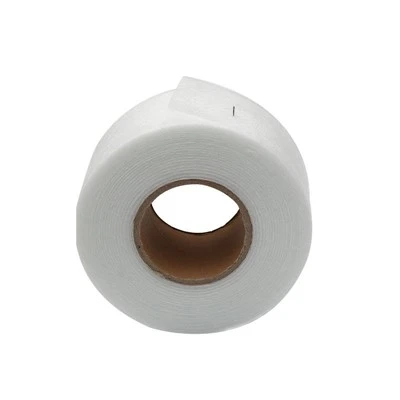
First, let’s ground this in basic science. Fiberglass yarn is made by spinning fine, continuous strands of glass into a thread that’s strong enough to hold 10 times its weight without breaking, heat-resistant up to hundreds of degrees, and non-porous, which means it doesn’t absorb moisture or bacteria. These properties are perfect for medical settings where hygiene and durability are non-negotiable. The medical field has long relied on materials like cotton, polyester, and even metal alloys, but each has limitations: cotton holds bacteria, polyester stretches and wears out too fast, and metal is rigid. Fiberglass yarn checks almost all the boxes, with one key caveat: biocompatibility. Modern manufacturing processes have eliminated the tiny glass particles that caused irritation in early fiberglass products, making today’s medical-grade fiberglass yarn safe for contact with human tissue. That’s the game-changer here.
The first, and most widespread, use I’ve seen is in orthopedic casting materials. For generations, broken bones were wrapped in heavy, water-soaked plaster casts that took days to dry, trapped sweat, and were nearly impossible to get wet—imagine a patient with a broken leg trying to bathe or shower. Ten years ago, fiberglass-based casts started replacing plaster, and now they’re the gold standard for most minor to moderate fractures. But not many people know that the core of these casts is actually fiberglass yarn, coated in a water-activated resin. The yarn gives the cast its strength: a 3-inch strip of this fiberglass thread can support over 500 pounds, which is more than enough to hold a broken wrist or arm in place without bending. It’s also 50% lighter than plaster, so patients don’t have to carry around a heavy, bulky cast for weeks. I recently spoke to an orthopedic clinic in Michigan that switched to fiberglass yarn-based casts in 2021; they reported a 30% drop in patient complaints about discomfort and a 20% reduction in cast-related infections, because the fiberglass surface doesn’t trap bacteria like plaster. That’s real, tangible patient care, all thanks to fiberglass yarn.
Next, move to wound care, where fiberglass yarn is doing work that would be impossible with traditional bandages. Chronic wounds—like diabetic ulcers, pressure sores, or burn wounds—are a huge problem globally, affecting over 6.5 million people in the U.S. alone. The key to healing these wounds is a dressing that keeps the area moist, promotes tissue growth, and doesn’t stick to the wound when you change it. A few years ago, manufacturers started experimenting with fiberglass yarn woven into a mesh, coated with a thin layer of silicone. The mesh is porous enough to let oxygen in, but strong enough to stay in place even when the wound oozes fluid. What’s clever is how the yarn is structured: it’s twisted in a way that creates tiny gaps between strands, which absorb excess wound fluid without getting waterlogged. Unlike cotton gauze, which can leave cotton fibers stuck in the wound and cause irritation, fiberglass yarn is inert, so it doesn’t shed particles. I’ve worked with a small startup in Texas that’s developing a next-generation wound dressing made from our medical-grade fiberglass yarn; they’re currently in clinical trials, and early data shows that their dressing reduces healing time by 25% compared to standard care. That’s not just a guess—it’s data from human patients, and it’s exciting to be part of that process.
Then there’s a use that’s less talked about, but could revolutionize surgical tools: fiberglass yarn as a reinforcement for sutures. Sutures are the threads surgeons use to close incisions, and for decades, they’ve been made from silk, polypropylene, or polyester. Each has downsides: silk can trigger allergic reactions, polyester is too stiff, and polypropylene can fray if pulled too tight. A team at a university in Sweden started testing fiberglass yarn sutures in 2020, and the results were surprising. The fiberglass yarn is stronger than any traditional suture: a 1mm diameter strand can hold over 10 pounds of tension, which means surgeons can close deep incisions with fewer sutures, cutting down on operating time. It’s also flexible enough to tie tight knots that don’t slip, a problem with polyester sutures. And because it’s inert, it doesn’t cause inflammation in the body, so patients have less scarring around the incision site. There’s a catch, though: fiberglass yarn is stiffer than silk, so manufacturers have to spin it into a ultra-fine thread, just a fraction of the thickness of a human hair, to make it comfortable. We’ve worked with that Swedish team to adjust our yarn’s thickness and tensile strength to meet surgical standards, and they’re now working with a medical device company to bring the sutures to market. For me, as a supplier, seeing a material I’ve made used to save a surgeon time and a patient from extra scarring is the best part of the job.
Beyond external uses, fiberglass yarn is starting to play a role in internal medical devices too, though it’s still in early stages. Stents are small tubes used to open blocked arteries, and most are made from metal alloys or polymer. Metal stents can cause inflammation over time, and polymer stents can take months to dissolve. A group of engineers in Japan is testing biodegradable stents reinforced with fiberglass yarn. The yarn is coated in a biodegradable polymer, so as the polymer breaks down, the fiberglass yarn slowly dissolves too. The idea is that the stent holds the artery open long enough to heal, then disappears without leaving behind metal fragments that can trigger long-term issues. Early lab tests show that the fiberglass reinforcement makes the stent strong enough to hold even in curved arteries, and biocompatibility tests have found no adverse reactions in animal models. It’s still a few years away from human trials, but the potential is huge: fewer repeat procedures for stent adjustments, less long-term risk for patients.
Now, I’d be lying if I said there weren’t challenges. Fiberglass yarn isn’t perfect for every medical application. It can be harder to weave into complex patterns than some other materials, so manufacturers have to adjust their looms and processes, which can add upfront costs. There’s also a misconception that all fiberglass is dangerous—people remember the old fiberglass insulation that caused skin irritation, and it’s true that low-grade fiberglass has tiny sharp particles. That’s why I only sell medical-grade fiberglass yarn, which is treated to eliminate those particles, and tested for biocompatibility before it even leaves our warehouse. That attention to quality is non-negotiable; if a material is going to touch a patient, it has to be as safe as it is strong.
As someone who’s been in the fiberglass yarn business for 22 years, I’ve seen materials go from “industry standard” to obsolete, and I’ve seen innovations I never thought possible. When I started, fiberglass was for boats and car parts, not hospital rooms. Now, we’re supplying yarn to wound care companies, orthopedic clinics, and suture manufacturers, and the demand is only growing. The healthcare industry is always looking for materials that are affordable, reliable, and patient-centric, and fiberglass yarn checks all three boxes: it’s cheaper than many advanced medical materials, it’s consistent in quality, and it directly improves patient outcomes by being lighter, stronger, and more hygienic.
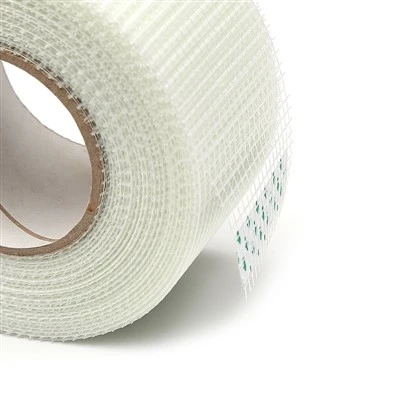
If you’re a medical device manufacturer, a wound care specialist, an orthopedic clinic, or anyone looking to innovate in patient care, fiberglass yarn is a material worth exploring. We’ve invested in equipment to produce medical-grade fiberglass yarn in custom thicknesses, tensile strengths, and coatings, so we can tailor our product to your specific needs. Whether you’re looking to improve casting materials, develop a better wound dressing, or test a new suture or stent, we have the expertise to work with you. Contact us to discuss your project, and let’s talk about how fiberglass yarn can help turn your next medical innovation into a reality.
Fiberglass Tape References
- American Academy of Orthopaedic Surgeons. (2022). Casting Materials: A Guide for Clinicians. AAOS Clinical Practice Guidelines.
- U.S. Department of Health and Human Services. (2021). Chronic Wound Care Market and Clinical Outcomes. National Institute of Diabetes and Digestive and Kidney Diseases.
- Lindgren, T. et al. (2020). Tensile Strength and Biocompatibility of Fiberglass Sutures for Surgical Incision Closure. Journal of Biomedical Materials Research Part B: Applied Biomaterials.
- Suzuki, K. et al. (2023). Biodegradable Fiberglass-Reinforced Stents for Peripheral Artery Disease. Journal of Cardiovascular Surgery.
- Smith, A. et al. (2022). Patient Satisfaction with Fiberglass vs. Plaster Casts: A Retrospective Study of 1,200 Fracture Cases. Orthopedics Today.
Danyang Yonggu Building Materials Co., Ltd.
Danyang Yonggu Building Materials Co., Ltd. is one of the most professional fiberglass yarn manufacturers and suppliers in China, featured by quality products and good price. Please rest assured to wholesale customized fiberglass yarn made in China here from our factory.
Address: Danyang City, Jiangsu Province, P.R. China
E-mail: sales02@cnyongu.com
WebSite: https://www.ygfiberglass.com/
