Hey guys, if you’ve ever wandered the snack aisle, grabbed a pouch of trail mix or a jar of Greek yogurt on the go, you’ve probably thought two things: this is so convenient… and how bad is this for the planet? As someone who’s spent the last 8 years running a pre-made pouches supply company, I hear that exact question every single week from small business owners, coffee roasters, and even big name brands hitting up my inbox: “Are there actually any eco-friendly pre-made pouches that don’t suck?” Pre-made Pouches
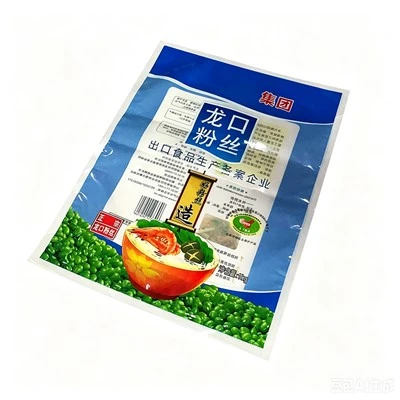
Let’s cut the crap for a second. For years, “eco-friendly packaging” felt like a marketing buzzword—something brands slapped on a product to feel good without actually changing a thing. The pouches industry was part of that problem: for decades, most pre-made pouches were multi-layered plastic (you know, the stuff that’s impossible to recycle because it’s 5 types of plastic glued together) with a thin metal lining to extend shelf life. Throw in single-use plastic zippers that break after two uses, and you’ve got a product that’s easy to toss but never actually decomposes. That’s not just frustrating—it’s a headache for me too, because my whole business is built on supplying packaging that works for both brands and the Earth.
So, let’s get to the real question: yes, there are actual eco-friendly pre-made pouches now. And no, they don’t all taste like “compostable cardboard” or fall apart when you fill them with hot soup (something I tested myself last month when I tried 12 different pouches for my own small batch of tomato sauce). Let’s break this down by what actually matters, not what the marketing team posts on Instagram.
First up, the big one: recyclable mono-material pouches. Most people don’t know this, but the reason so many plastic pouches end up in landfills is that they’re mixed materials. You can’t toss a plastic-aluminum pouch in your curbside bin because the two materials can’t be separated at most recycling facilities. Enter mono-material pouches—pouches made entirely of one type of plastic, usually polyethylene (PET) or low-density polyethylene (LDPE), which are the same plastics used in water bottles and grocery bags. Here’s the game changer: these can actually be processed in existing recycling lines, no fancy new equipment required. We switched a chunk of our production to mono-material pouches two years ago, and I’ll be honest, we were nervous at first. Would they hold up? The answer is a resounding yes. We’ve had a craft tea brand use them for loose leaf tea, a pet food brand use them for freeze-dried salmon, and even a sauce company fill 500ml of hot marinara in them without a single leak. The only catch? They need to have the right coating for what’s inside—we work with a materials lab to test every single SKU, so our mono-material pouches don’t react to acidic foods, greasy sauces, or even dehydrated products. It’s not one-size-fits-all, but that’s a good thing.
Next up: compostable pouches. These get way more hype than they deserve, but the truth is, they do work—if you use them correctly. A lot of brands buy “compostable” pouches, toss them in a backyard bin, and get mad when they don’t break down, which is totally fair. Backyard compost requires specific conditions: the right temperature, moisture, and aeration, and most home bins don’t hit those. Industrial compost facilities do, though, and that’s where certified compostable pouches come in. The big certifications to look for here are BPI (Biodegradable Products Institute) or OK Compost Home—wait, no, OK Compost Home is for backyard compost, right? Yeah, so if a pouch has OK Compost Industrial, it’ll only break down in a facility, so make sure you check that label. We started carrying compostable pouches last year, and we made a point to only offer ones that meet those two certifications because we don’t want to be part of the “greenwashing” mess. We’ve had a couple of snack brands switch over, and the feedback has been solid—they hold up on store shelves for up to 18 months, which is just as long as conventional pouches, and when they’re done, they turn into nutrient-rich compost in 90 to 180 days. The only downside? They’re a tiny bit more expensive than mono-material or conventional pouches, but not by much—like, 5 to 10 cents per pouch, which is negligible for brands doing 10,000 or 100,000 units.
Wait, what about pouches that use recycled material inside? That’s another big one, and it’s a conversation I have with clients all the time. A lot of brands mix up “recycled content” and “recyclable”—they’re not the same. Recycled content pouches are made with plastic that’s already been used, like water bottles or grocery bags, melted down and molded into pouch film. We offer both mono-material and compostable pouches with up to 30% post-consumer recycled (PCR) plastic, and the difference is night and day for the planet. Using PCR plastic means we’re not making new plastic from fossil fuels, which cuts carbon emissions by about 20% compared to virgin plastic. The catch here is that higher PCR content (like 50% or more) can affect the pouches’ flexibility or clarity, which is a big deal for brands that want their product to look good on the shelf. Our team tests every batch to make sure the PCR pouches perform exactly like virgin ones, so brands don’t have to compromise on looks or function.
But let’s get real—there are still gaps, right? No eco-friendly pouch is perfect, and anyone who tells you otherwise is lying. For example, if you need a pouch that’s super thin for lightweight products like tea bags, the thinnest eco-friendly pouches might not be as durable as conventional ones, though we’ve gotten that down to almost the same now. Also, curbside recycling for plastic pouches is still inconsistent across the U.S. (and most of the world). Some cities accept mono-material pouches, some don’t, and a lot of people don’t know to toss them in the “film plastic” bin at grocery stores—so even if you use a recyclable pouch, the consumer has to do their part. That’s why we also work with a pouch recycling program: brands that use our pouches can sign up for a free take-back service, where we collect used pouches and send them to a dedicated recycling facility that processes even the tricky ones. It’s not free for us, but it’s worth it because it closes the loop.
As a supplier, I’ve seen so many brands get burned by bad “eco” packaging. A small juice company came to me last year after switching to a cheap compostable pouch that started falling apart on the shelf, leading to 2,000 units being recalled. We tested pouches for them, narrowed it down to a mono-material option with PCR, and now their sales are up 15% because they can market their packaging as actually sustainable without sacrificing quality. That’s the thing about this industry—eco-friendly pouches don’t have to be a trade-off. They have to work for the product, work for the supply chain, and work for the planet.
If you’re a brand owner, café owner, or even a maker of homemade goods looking to switch to better packaging, don’t just go for the cheapest “eco” option you see online. Ask questions: Is this pouch recyclable in my area? What’s the recycled content percentage? Does it have a third-party certification for composting? And if you’re not sure, hit us up—we test every material, we don’t do greenwashing, and we can tailor a pouch to fit your specific product, budget, and sustainability goals.
At the end of the day, pre-made pouches are here to stay—they’re convenient, versatile, and way better than jars or cans for many products. The goal isn’t to get rid of them, it’s to make them something that doesn’t harm the planet when they’re done. We’re not perfect, but we’re trying, and there are way more options now than there were even 5 years ago.
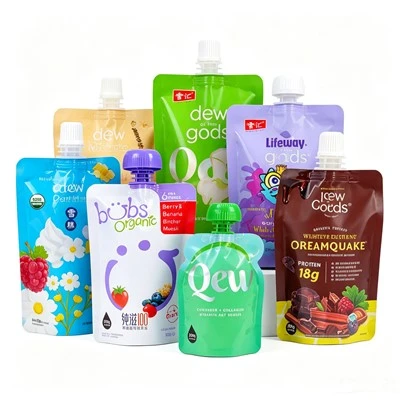
If you’re ready to chat about switching to eco-friendly pre-made pouches, reach out to us anytime—we’d love to help you figure out what works best for your brand.
Eco-friendly Packaging Bag References
- Sustainable Packaging Coalition. (2023). Mono-Material Flexible Packaging: A Guide to Materials and Recyclability.
- Biodegradable Products Institute. (2022). Certified Compostable Packaging Standards for Flexible Pouches.
- EPA. (2023). Advancing Recycling of Flexible Plastic Packaging in the U.S. Supply Chain.
- European Plastic Pact. (2022). PCR Content in Flexible Packaging: Performance and Sustainability Metrics.
Qingdao Senlida Packing Co., Ltd.
Qingdao Senlida Packing Co., Ltd. is one of the most experienced pre-made pouches manufacturers and suppliers in China since 1995. With a professional production team, we are able to meet the needs of the majority of our customers. Please feel free to buy high quality packing products at competitive price from our factory.
Address: No.299 Feichao Road, Luwang Town, Huangdao District, Qingdao, Shandong Province, China.
E-mail: liuxh@qdsenlida.com
WebSite: https://www.senlidapacking.com/
