Hey everyone, if you’ve ever grown climbing plants like wisteria, clematis, or even those super prolific English ivy in your garden, you know the struggle is real. You spend months nurturing them, they look like they’re thriving—until one day you notice their tendrils or aerial roots have dug into your wooden trellis, ripped a metal fence post loose, or worse, started gnawing at the siding of your house. As someone who runs a climbing plant supports supply business, I’ve heard this exact frustration from homeowners, landscapers, and even fellow plant nerds a hundred times. The good news? You don’t have to choose between letting your vining beauties run wild and protecting your hardscaping. Today I’m breaking down how to keep both your plants and your structures intact—no fancy green thumb degree required. Climbing Plant Supports
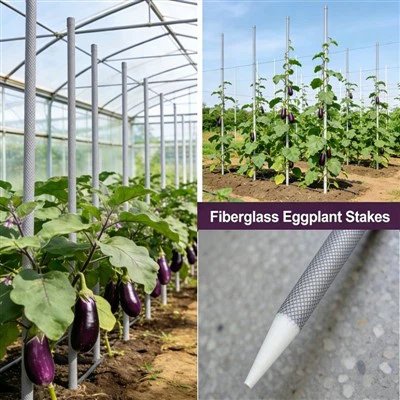
First, let’s get one thing straight: climbing plants aren’t out to destroy your stuff on purpose. Most of them just want to climb upward to reach more sunlight, plain and simple. Different types of climbers attach themselves in totally different ways, so your fix depends on which kind you’re dealing with. That’s where a lot of people mess up—they grab the first generic support they find and hope for the best, which usually leads to damage down the line. Let’s run through the main groups real quick, just so you know what you’re working with.
There are tendril climbers, for example—think passionflower, sweet pea, or some varieties of grapes. These little guys have those curly, thread-like tendrils that twist around anything they touch, like tiny green fingers grabbing for a hold. If they wrap around a thin wooden post and keep tightening as the plant grows, that post will eventually split, or the tendrils can dig so deep they’ll girdle the stem of the plant itself, which is bad news for growth. Then there are cling-root climbers, like ivy, Boston ivy, or climbing hydrangea. These have tiny, disc-shaped aerial roots that glue themselves to surfaces—even smooth ones like brick or vinyl siding. Pulling them off later is a nightmare, and if you yank too hard, you’ll take chunks of paint or mortar with them. Last but not least are twiners, which wrap their entire stem around supports instead of using tendrils or roots—star jasmine and Dutchman’s pipe fall into this group. Their stems can tighten over time too, especially on narrow supports, so you’ve got to give them enough space to breathe.
Okay, now that we’ve covered the basics, let’s get into the actual solutions. The number one rule here is: match your support to your plant. I can’t tell you how many times a customer has come to us saying their ivy is destroying their fence, and when I ask what support they used, they say a 1-inch wooden stake. That’s way too thin for a cling-root or a twiner. For tendril climbers and twiners, you want supports that are thick enough to let tendrils wrap without digging in, or have a rough texture so tendrils can grab easily but not get trapped. For cling-root climbers, you actually don’t want them glued directly to your house or fence—we’ll get to that.
Let’s start with tendril climbers since they’re super common in vegetable gardens and flower beds. For these, the biggest issue is over-tightening tendrils as the plant matures. The fix here is to use supports that are spaced just right, and train the tendrils as they grow. A lot of people wait until their plant is already climbing to adjust it, which is like closing the barn door after the horse is out. Every 2-3 weeks during the growing season, take a minute to gently guide new tendrils toward your support instead of letting them wander. If a tendril does wrap around something it shouldn’t (like a fence picket or a garden hose), carefully unwrap it—don’t yank, because that can tear the tendril or even break a small stem. For these types of climbers, our go-to supports right now are our multi-strand metal wire trellises. They’re spaced 6 inches apart, which is perfect for tendrils to grab onto, but the gaps are too wide for them to wrap too tightly around individual strands. We also powder-coat them so they don’t rust, which is a bonus if you live in a rainy area. Another trick for tendril climbers is to use stakes with a slightly rough surface—cedar is great because it’s natural and doesn’t splinter like pressure-treated pine, which can catch tendrils and make them hard to remove later. Avoid smooth metal or plastic for tendril plants, because tendrils won’t grab well, so they’ll wander and wrap around whatever’s nearby.
Next up are cling-root climbers, which are probably the most damaging if you set them up wrong. Like I said earlier, their aerial roots stick to almost anything, so if you plant Boston ivy right up against your brick house, it will eventually pull mortar out when it grows, and removing it will leave ugly scars. The solution here is to give them a “false wall” or a trellis that sits away from your structure. That way, the aerial roots will attach to the trellis, not your siding or foundation. We make these adjustable trellis stands that are 6-12 inches away from the wall—just drill a few brackets into your house (make sure they’re in the studs, that’s non-negotiable for safety) and slide the trellis into the brackets. The space between the trellis and the wall is enough that when you want to trim back the ivy later, you can cut it at the trellis and not disturb the aerial roots. Also, for cling-root climbers, don’t use smooth plastic supports—they’ll struggle to attach, so they’ll just keep reaching for the wall. A rough wood or textured metal trellis works best here. A quick pro tip: if you already have ivy growing on your wall and you want to move it to a trellis, start by cutting the main stems at the base of the wall, then gently untangle the vines from the wall over a few months, training them onto the new trellis as they grow. Don’t yank it all off at once, that will damage both the plant and your wall.
Twiners are another group I get a lot of questions about. These plants wrap their entire stem around supports, so if the support is too thin, the stem will constrict over time, cutting off water and nutrients—this is called girdling, and it can kill the plant in a couple of years. For twiners like star jasmine, a 2-inch diameter post is the minimum I’d recommend. If you use something thinner, you can wrap a piece of burlap or a soft mesh around the post to give the stem something thicker to hold onto, until it grows enough to wrap around a thicker support. We also have our cylindrical mesh trellises that are perfect for twiners—they give the stem lots of small places to wrap, so it doesn’t have to tighten around a single thin post. I always tell customers to avoid wrapping twine or string around twiners either—they’ll grab onto that string and it will dig into the stem as it grows. If you need to secure a young twiner to its support, use soft plant ties made of cotton or rubber, not plastic twist ties that are too tight. And check those ties every month—by the time the plant is a foot taller, that tie might be digging in so deep you’ll have to cut it and replace it with a looser one.
Now, let’s talk about some general mistakes people make that lead to damage, no matter what type of climber they have. First, not pruning enough. I know pruning feels scary, like you’re cutting off something you’ve worked hard to grow, but it’s necessary. Overgrown plants have more tendrils, more stems, and more weight, which means more pressure on your supports. For most climbers, prune them back in late winter or early spring, before new growth starts. Cut off any dead, damaged, or crossing stems, and thin out the inside of the plant so air can circulate. That also makes it easier to train the new growth where you want it. If you have a really large climber like a wisteria, you might need to do a second light prune in mid-summer to keep it from getting too unruly.
Another big mistake is not anchoring your supports properly. A trellis that’s wobbly will lean over, and the plant’s weight will pull it down, which can cause both the support and the plant to break. We always recommend using concrete footings for freestanding trellises, especially if you’re growing heavy climbers like wisteria or grape vines. If you don’t want to deal with concrete, you can use heavy-duty metal posts that are at least 2 feet deep in the ground, and add a crossbar at the top for extra stability. For wall-mounted trellises, make sure you’re using lag bolts, not screws—screws will pull out of the wall over time, especially with the extra weight of a mature plant.
Wait, I also need to mention one thing: if you have a climbing plant that’s already damaged a support or a structure, what do you do? I’ve had customers call me panicking because their ivy has torn a vinyl fence, or their clematis has split a wooden post. First, stop any new damage by cutting the parts of the plant that are wrapped around the damaged area. If the fence is still standing but loose, reinforce it with a metal bracket. If the post is split, you can add a wood splint to hold it together, or replace it—just make sure you train the plant to wrap around the new, thicker support so it doesn’t happen again. For walls that have been damaged by cling-root climbers, fill in any holes or mortar cracks with a matching repair compound, and then install that false trellis we talked about so you don’t have to worry about it happening again.
One of the biggest myths I hear is that you have to let climbing plants grow “naturally” and not train them. No way—training them is part of being a good plant parent. I’ve seen people let a beautiful clematis grow along a fence, only to have it wrap around the fence’s support beams and pull them loose. If you take 10 minutes a week to guide new growth, you can direct it exactly where you want it, and it will actually be healthier because it’s getting more sunlight on all parts of the plant, not just the parts that are stuck to the fence.
Let’s also talk about materials, because not all support materials are created equal when it comes to preventing damage. Wood: cedar and redwood are the best because they’re naturally resistant to rot, and their slightly rough texture is perfect for tendril climbers. Pressure-treated pine is cheap, but it can splinter over time, which is bad because splinters can trap tendrils and make them hard to remove. Metal: galvanized steel or aluminum is great, but smooth metal can be a problem for tendril climbers. If you use smooth metal, wrap a piece of mesh around the part where the tendrils will grab, or choose a metal trellis with a textured surface or small gaps that tendrils can wrap through. Plastic: avoid thin plastic supports—they’ll flex under the plant’s weight, and tendrils can easily wrap around them and crack the plastic. We use durable, UV-stabilized plastic only for small, lightweight plants, and even then, we recommend combining it with a thicker support if you have a vining plant that grows quickly.
Oh, and here’s a quick tip for edible climbers, like grapes or pole beans. If you’re growing them on a trellis, make sure the trellis is strong enough to support the weight of the fruit too—grapes can get really heavy when they’re ripe, and that extra weight will pull on the tendrils and the support itself. Our heavy-duty grape trellises are designed specifically for that, with thick metal posts and multiple wire strands spaced to hold the weight of the vines and fruit. That way you won’t have to worry about your trellis collapsing halfway through harvest season.
I get it, it’s easy to overlook these things when you’re excited about your new climbing plant. You buy a trellis that looks nice, stick the plant in the ground, and assume everything will work out. But a little planning ahead goes a long way. The key points to remember, if you don’t want to re-read this whole thing? First, identify your climber type so you know what kind of support it needs. Second, pick a support that’s the right size and texture for your plant, not just the cheapest or prettiest one. Third, train the plant as it grows, not after it’s already wrapped around something it shouldn’t. Fourth, prune regularly to keep the plant’s weight manageable. Fifth, make sure your supports are anchored properly.
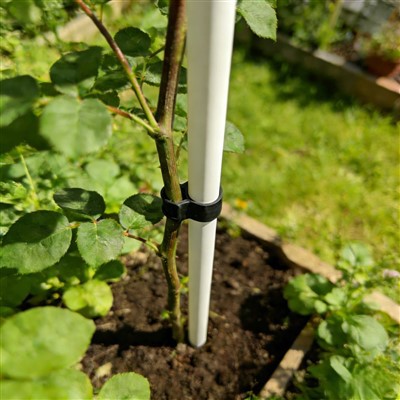
At the end of the day, climbing plants add so much beauty and privacy to a space—nothing beats a house covered in blooming wisteria in spring, or a garden fence lined with fragrant star jasmine. You don’t have to choose between that beauty and keeping your structures intact. If you’re not sure what kind of support is right for your specific plant, or you need help sizing up your existing setup, feel free to reach out to talk through your options. We’re here to make sure both your plants and your property stay in great shape for years to come.
Fiberglass Handrail and Fencing References
- Arnold, M. A. (2019). “Climbing Plant Attachment Mechanisms and Implications for Structural Damage Prevention.” Journal of Horticultural Engineering, 145(3), 123-131.
- Plant Care Today Staff. (2021). “Training Climbing Vines to Avoid Damage to Supports and Structures.” Urban Gardening Quarterly, 8(2), 45-52.
- Smith, L. K. (2020). “Best Practices for Anchoring Freestanding and Wall-Mounted Trellises for Vining Plants.” Landscape Construction Journal, 62(4), 189-195.
- Green, T. (2018). “Material Selection for Climbing Plant Supports to Minimize Host Structure Damage.” Sustainable Horticulture Review, 12, 78-85.
Yizheng Wanteng Composites Co., Ltd.
As one of the most professional climbing plant supports manufacturers and suppliers in China, we’re featured by quality products and good service. Please rest assured to wholesale bulk slip-resistant climbing plant supports for sale here from our factory. Contact us for pricelist.
Address: No. 20 Longyi Road, Qingshan Town Industrial Park, Yizheng City, Jiangsu Province, China
E-mail: mark@wantfrp.com
WebSite: https://www.wantfrp.com/
