Hey everyone! Let’s cut to the chase—if you’re a charger owner like me, you’ve definitely stared at a crumb-covered, maybe a little dust-fogged charger at 7 PM, right when your laptop’s battery is at 2% and you need to take a work call. And if you’re half as messy as my roommate? You’ve probably also stared at a weird coffee splash or a smudge of soda on that same charger too. Battery Charger
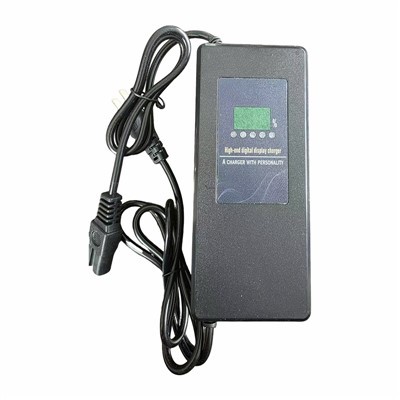
Last month, I had a customer shoot me a DMs (yeah, we hang out on LinkedIn, not just emails) asking, “Is it totally fine to wipe down my charger with a damp cloth? My little cousin spilled apple juice on it and I panicked.” That question has been on my mind non-stop, because as a battery charger supplier, I get way too many random charger care questions, most of which people just Google and scroll through garbage Reddit threads that are 5 years old.
First off, let’s not overcomplicate this. A charger is just a hunk of electronics that turns wall power into whatever your device needs—phones, laptops, wireless earbuds, even that weird old drill battery your dad still uses. It has two main parts: the brick (the big rectangular part you plug into the wall) and the cord with the port on the other end. The key here is that chargers are designed to handle a little moisture, but not a lot. And wet vs. damp is a huge difference here. Let’s break that down, no fancy science jargon, I promise.
Here’s the thing about how chargers work internally: they have tiny circuit boards coated in a thin layer of clear sealant, called conformal coating. That stuff isn’t a perfect shield, but it’s way better than nothing. It keeps dust out, and it repels small amounts of liquid—like if you spill a drop of water or a quick damp cloth wipe. But if that cloth is sopping wet? Or if you submerge the whole charger? That coating can crack, or the liquid can seep into tiny gaps around the prongs or the cord port, and that’s when you get short circuits. Short circuits are bad—they’ll fry the charger, and in worst cases, they can mess up your device or even cause a tiny fire, though that’s super rare.
Now, I’m not gonna lie—years ago, we had a tester here at our warehouse who used a dripping wet rag to wipe down a stack of returned chargers, and half of them stopped working immediately. That’s when we realized how many people don’t know the difference between “damp” and “wet.” Damp means when you wring out the cloth until there’s zero drips when you squeeze it. If you hold it up over a sink, nothing falls out. That’s the sweet spot. Wet? That’s when it’s dripping all over your counter, or you can squeeze a bunch of water out. That’s a hard pass.
Also, not all liquids are created equal. If it’s just plain water or a tiny bit of beer (don’t ask how that tester spilled beer on a charger—he was watching a game), that’s way better than soda, juice, or coffee. Sugary drinks leave a sticky residue that attracts more dust, and if it’s sitting on the charger long enough, it can eat away at that conformal coating over time, even if you wipe it off. So if you do spill something sugary? Use a very lightly damp cloth—like almost dry—with a tiny bit of mild soap, not a whole bottle of dish soap, and then immediately dry it with a paper towel, no exceptions.
Wait, but hold up—can you ever use a wet cloth on the port part, like where you plug in your phone? That’s a common follow-up question, and honestly? I’m kind of a rule-follower here. The port is way more exposed than the brick part. The prongs in the port are super delicate, and if you get water in there, it can cause corrosion, which makes it hard to plug your phone in, or even damage the charging pins. So if you need to clean the port? Stick to a dry toothbrush to brush out crumbs, or a super tiny amount of isopropyl alcohol on a cotton swab—way, way better than a wet cloth. I’ve seen too many people push a wet cloth into the port and ruin a $100 wireless charger, so trust me on this.
Now, let’s talk about what we recommend here at our shop (since I can’t just spout random advice, I need to stand behind our chargers). Our official care tip is: only clean the external surfaces (the brick, the cord, the outside of the ports) with a damp, wrung-out cloth—no soap, no chemicals, no nothing. If you need to use something for sticky residue, use a 50/50 mix of water and white vinegar, and make sure you wring that cloth so hard it’s basically just slightly misty. Never, ever wipe the prongs (the metal part that goes into the wall) with a wet cloth—they’re meant to stay dry, and moisture there can shock you, even if it’s just a tiny zap. That’s not a fun time, ask the warehouse guy who learned that lesson.
I also see a lot of people using disinfectant wipes for this, and honestly? That’s a bad call. Most disinfectant wipes have harsh chemicals, alcohol, or bleach, which can break down the plastic on your charger over time. If you use a disinfectant wipe, make sure it’s 100% alcohol-free, and again, wring it out until it’s almost dry. We tested a bunch of cheap disinfectant wipes once and found that they made the plastic on our test chargers turn dull and crack after a month, so we stopped recommending them entirely.
Wait, what about if your charger does get fully wet? Like, you dropped it in a puddle, or spilled a whole cup of coffee on it? Don’t plug it in for at least 24 hours. Let it air dry completely in a cool, dry place—never use a hair dryer (the heat can warp the plastic and damage the circuits) or put it in rice (that’s an old myth, rice dust gets into the ports and is impossible to get out). Just leave it on a shelf somewhere for a full day, and only plug it in if it’s completely dry. If it still doesn’t work after that, it’s probably fried, and you should replace it—no point in risking it.
Here’s the thing that surprises most people: we actually test our chargers to handle small amounts of moisture during manufacturing. We do what’s called a “splash test,” where we spray a tiny bit of water on the charger and plug it in to make sure it doesn’t short out. But that’s extremely controlled—only a tiny amount of water, exactly where we want it, no liquid sitting in gaps for hours. A random wipe with a damp cloth is way less than that, so it’s totally fine, as long as you do it right.
I’ve had customers tell me they’ve wiped their chargers with a wet cloth hundreds of times and nothing bad ever happened, and that’s true! Most of the time, people get away with it. But that doesn’t mean it’s 100% safe every single time. One time, a customer wiped their new $80 fast charger with a soaking wet cloth, and it stopped working two days later. They tried to plug it in and it sparked, which scared the crap out of them. That’s the kind of thing we want to help people avoid, right?
As a charger supplier, our whole job is to make chargers that work, and last. So when we get questions about cleaning, we want to give advice that’s safe, doesn’t void your warranty (wait, right! Don’t forget the warranty. If you destroy your charger by submerging it in water, the warranty doesn’t cover that, obviously), and keeps your charger running as long as possible.
So to wrap this up, let’s make a super simple checklist that you can remember:
- Damp cloth = good. Wet cloth = bad. Wring until not a single drop comes out.
- No sugary drinks on chargers—if you do, use almost-damp cloth, not soapy water.
- Don’t touch the prongs or the inside of the ports with anything wet.
- If your charger gets fully soaked, wait 24 hours before plugging it in.
- Skip the disinfectant wipes, stick to plain damp cloth if you can.
At the end of the day, your charger is just a tool. It’s not going to die if you wipe it down a little with a damp cloth. But being a little careful with how you do it will save you from a lot of headaches—like a dead charger when you need it, or even a little shock that no one wants to deal with.
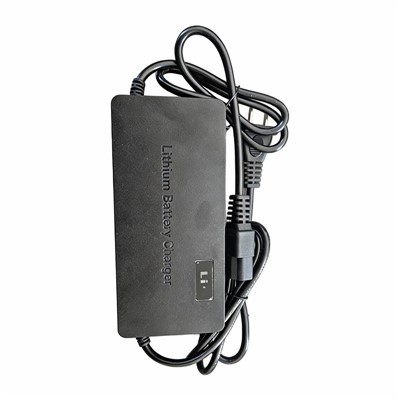
If you have more questions about charger care, or if you’re in the market for new, reliable chargers (we make all kinds—phone, laptop, wireless, even those car chargers that work on road trips), hit us up anytime. We’re always happy to chat, answer questions, or help you find the right charger for whatever you need.
Lithium Battery Charger Reference:
- Consumer Product Safety Commission. (2022). Electrical Charger Safety Tips for Home Use. U.S. Consumer Product Safety Commission.
- International Electrotechnical Commission. (2021). Safety Standard for External Power Supplies (IEC 62368-1). International Electrotechnical Commission.
- Battery University. (2020). Care and Maintenance of Portable Chargers. Cadex Electronics Inc.
Tianchang Hengze Technology Co., Ltd.
With abundant experience, we are one of the most professional battery charger manufacturers and suppliers in China. Please rest assured to buy bulk battery charger made in China here from our factory. If you have any enquiry about quotation, please feel free to email us.
Address: No. 8 Sanxing Road, Qinlan Town Industrial Park, Tianchang City, Chuzhou City, Anhui Province, P.R. China
E-mail: 604894957@qq.com
WebSite: https://www.hengzebc.com/
