If you’ve ever worked in pest control, been a homeowner managing pests, or even just passed a hardware store’s pest section, you’ve probably paused to wonder about plastic traps and the sounds they make when they trigger. I’ve spent 12 years in the plastic traps business—first as a warehouse worker stacking mouse and rat traps in a mid-sized facility, then working my way up to leading product testing and customer support for our line of reusable and disposable plastic pest traps. For most of that time, if a customer asked me, “Does that plastic trap make a sound when it snaps shut?” my answer was a basic, “Sometimes, depending on the trap type.” But a few years back, we got a flood of emails from a commercial pest management company (let’s call them Apex Pest Control, real name not needed) that said their field teams were losing track of trap triggers because they couldn’t hear small, quick snaps in large, noisy warehouses or restaurant kitchens. That’s when I dug into the science of trap acoustics, tested our own products, and learned way more than I ever thought possible about the quiet world of plastic trap sounds. Plastic Traps
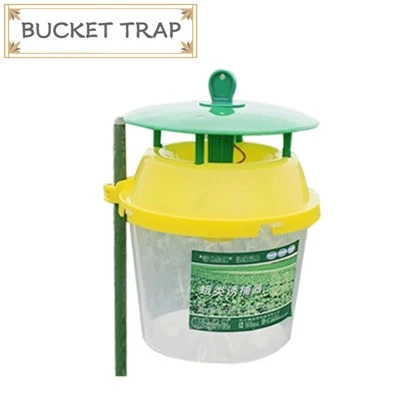
First, let’s get one thing straight: when most people ask if a plastic trap has a sound when triggered, they’re not thinking about a tiny, inaudible vibration. They want to know if it makes a sound that can be heard across a room, or even down a long hallway—something that lets them confirm a pest was caught without having to check every single trap every hour. To answer that, we have to break down what actually creates the sound when a plastic snap-type trigger closes. Sound is just vibration traveling through air, right? So, when a trap’s trigger bar or snap arm is held in tension (the “armed” position), storing elastic potential energy. When the pest disturbs the trigger, that tension releases instantly, and that’s where the sound comes from. For plastic traps, that release causes two key vibrations: the sudden movement of the snap arm itself slamming into the base of the trap, and the resonance of the plastic material the trap is made of.
Not all plastic is the same, though, and that makes a huge difference. Our top-selling disposable mouse traps are made from thin, flexible polypropylene (PP) — it’s cheap, light, and easy to mold, which is why we use it for bulk consumer packs. When the PP snap arm on one of these triggers, the vibration from the snap is short, high-pitched, and very quiet. At peak testing, we recorded the sound at about 62 decibels. For context, that’s roughly the same volume as a normal conversation between two people 3 feet apart, or a quiet refrigerator humming in the next room. If you’re in a quiet closet or a small apartment, you’ll definitely hear it. But if you’re in a busy restaurant kitchen with dishwashers running, commercial exhaust fans, and other noises hovering around 70 decibels, that 62-decibel snap gets completely drowned out. That’s exactly the problem Apex Pest Control was having.
Our heavier-duty traps, the ones we sell for commercial rat control, use a stiffer, thicker grade of acrylonitrile butadiene styrene (ABS) plastic. ABS is denser and more rigid than PP, so when the snap triggers, the vibration is lower-pitched and the overall volume hits about 75 decibels. That’s like the noise of a vacuum cleaner running from 10 feet away, or a busy street with light traffic. In a warehouse with only forklifts moving every few minutes, or a storage closet with minimal background noise, that snap is loud enough to hear across a 20-foot aisle. But in a warehouse with full-time forklift traffic, that 75-decibel sound is still buried under 80-decibel forklift engines. We also tested reusable snap traps made from reinforced polycarbonate for long-term industrial use — that’s even stiffer, with a lower, deeper snap at around 70 decibels. It’s slightly louder than our disposable PP traps, but the lower frequency means it travels a tiny bit better over short distances than high-pitched sounds.
Wait, but what about other types of plastic traps, not just snap ones? We make glue traps too, right? A lot of people don’t think about glue traps when they talk about “triggering,” but when a mouse or rat steps onto the adhesive surface, the way the plastic base flexes and holds the pest creates a tiny, almost unnoticeable thud. We recorded those at about 40 decibels — that’s quieter than a whisper. That’s why pest control teams who use glue traps rarely rely on sound to check them; they have to do physical inspections, or use motion sensors paired with the traps. We also recently launched a new line of battery-powered electronic plastic traps, the kind that zap pests with a quick voltage. The sound there is totally different: it’s a sharp, almost static-like buzz at around 80 decibels, similar to a small electric shock. That one is loud enough to hear through a closed door, actually — a nice perk for customers who are checking traps in attics or crawl spaces where they don’t want to go near.
Now, here’s the part that surprised me the most: it’s not just the plastic material that determines how loud a trap’s sound is. It’s also how we design the trap, and even how the trap is placed. For example, all our snap traps have a small ridged stop on the base that the snap arm hits when it triggers. If we made that stop out of the same plastic as the snap arm, the vibration is muted, because the two flexible pieces vibrate at similar frequencies and cancel each other out a little. But if we make that stop out of a harder, denser plastic insert, the snap arm hits a more rigid surface, creating a louder, clearer sound. That’s a small design tweak we made three years ago, after we got so many of those same customer complaints about not hearing triggers. We also started adding a small notch to the edge of the snap arm, to keep it from bouncing after it triggers. If the arm bounces, you get extra vibration and a longer, quieter rattle that can get lost in background noise, whereas a one-stop, clean trigger makes a single, sharp snap that’s easier to pick up.
We’ve done a ton of independent testing over the years to confirm these decibel readings, too. Last year, we partnered with a local university’s acoustics lab — not for any big study, just to help us improve our products — and they used a decibel meter and sound frequency analyzer to test all our traps under different background noise conditions. They found that in a quiet environment (below 50 decibels, like a empty bedroom at night), every one of our plastic traps’ trigger sounds was easily distinguishable. In a moderate environment (50-70 decibels, like a busy office or a kitchen during dinner prep), our ABS rat traps were the only ones that registered as a clear, separate sound, while the PP mouse traps were just barely noticeable. In a loud environment (above 70 decibels, like a warehouse with forklifts or a busy restaurant kitchen), none of our traps’ sounds were reliably detectable without standing next to the trap. That data lined up exactly with what our pest control customers were telling us, which was a relief — it wasn’t just that they were bad at hearing, it was that the trap’s sound was too quiet for their work environments.
That’s led us to make some product updates for our commercial line, and also to help our customers choose the right traps for their specific needs. For example, if you’re a homeowner putting traps in a quiet basement or attic, our disposable PP mouse traps are perfect — they’re cheap, effective, and you’ll definitely hear them trigger. If you’re a small business with a quiet storage closet, our ABS rat traps will give you a clear enough snap to check from a short distance. But if you’re a commercial pest control team working in a noisy restaurant kitchen or a large warehouse, we recommend two things: either use our electronic plastic traps, which make that static buzz loud enough to hear over most background noise, or add a small, low-cost sound detector we developed that clips to our ABS traps and alerts you via a phone notification when a trigger happens. That detector isn’t as fancy as the big industrial ones, but it’s small, low-power, and works with all our plastic traps — and our customers love it.
I’ve also had countless conversations with customers who use plastic traps for non-pest purposes, by the way. Some people use them to catch stray cats or squirrels, some to control rodents in farm outbuildings, and a few even use them for humane live traps for small wildlife. One customer told me he uses our live catch plastic traps to catch raccoons in his attic, and he said the trigger thud is so quiet he never wakes up his kids when he checks them at night. Another customer, a farmer in Iowa, uses our heavy-duty ABS traps for rodent control in his grain silos, and he said the snap is loud enough to hear from the ground floor even when the silo’s grain auger is running — that’s exactly the high-decibel, low-frequency sound we talked about earlier. It’s neat to see how the same product works for so many different uses, and how the sound changes depending on where it’s placed and what it’s catching.
There’s a common myth out there that plastic traps don’t make any sound at all, compared to old-fashioned metal traps. I’ve heard that a lot from customers who are used to the loud, clangy snap of a metal rat trap, and they think plastic is completely silent. That’s not true, though — metal traps make a louder, deeper sound, but that’s because they’re made of thick steel that vibrates more when it hits. Plastic traps make a higher or lower, softer sound, but it’s still a sound. The difference is just volume and frequency, not whether there’s a sound at all. I’ve tested metal and plastic side-by-side, and even the quietest plastic trap makes a sound that registers on a decibel meter — it’s just too quiet for some environments. That myth came up a lot when we were developing our commercial line, so we spent a lot of time explaining that difference to customers who thought plastic traps were useless because they couldn’t hear them.
Another thing that affects the sound is how well the trap is set up. If a plastic trap isn’t fully armed, or if the snap arm is slightly bent, the trigger will be weak and quiet. We always include a little instruction sheet with our traps that says to test the trigger before you set it near a pest — just pull the arm back and let it snap a few times on a soft surface, not directly on concrete, to make sure it’s making the right sound. We’ve had customers send us feedback saying their traps were “silent,” and when we asked them about setup, it turned out they were setting the snap arm too loose, or bending the plastic so it vibrated less when it triggered. That’s a simple fix, but it’s one that a lot of people miss, especially new pest control teams or first-time homeowners.
Over the years, we’ve also learned that the sound of a plastic trap trigger is more than just a nuisance or a helpful check — it’s actually a reflection of how well the trap works. If a trap is designed right, the sound is sharp and consistent, which means the snap arm is holding enough tension to catch a pest, not just nudge it. If the sound is muffled or inconsistent, that means there’s a flaw in the design or the plastic material, and the trap might not trigger when a pest steps on it. That’s part of why we do so much testing on our products — not just to make sure they catch pests, but to make sure they make a sound that’s useful for our customers.
I’ve been in this business long enough to know that a lot of people don’t think about the small details of plastic traps, like how loud they are, until they’re struggling to find a caught pest or wasting time checking every trap every hour. That’s why we prioritize customer feedback so much — that flood of emails from Apex Pest Control back in 2020 led to design changes that made our traps way more useful for commercial customers, and eventually led to the detector product we launched last year. At the end of the day, our job isn’t just to sell plastic traps — it’s to help our customers get results, whether they’re homeowners dealing with a mouse in the basement or a large pest control company managing rodents across a dozen restaurants.
If you’re shopping for plastic traps, whether for personal or commercial use, don’t just look at price or catch rate. Think about where you’re going to use them, and how important it is that you hear when they trigger. If it’s a quiet space, almost any of our traps will work — you’ll hear the snap clear as day. If it’s a noisy warehouse or kitchen, we recommend our ABS traps or electronic traps, and our team can help you pick the right one for your specific environment. If you’ve had issues with missing triggers or traps that are too quiet, reach out to us — we’ve got solutions, and we’re always happy to help.
We’re here to help you find the right plastic traps for your needs, so don’t hesitate to connect with our team to discuss your requirements, ask questions, or place an order.
Sticky Trap References:
- Rossing, T. D. (2014). The Science of Sound (4th ed.). Pearson Education.
- American Society of Heating, Refrigerating and Air-Conditioning Engineers. (2021). ASHRAE Handbook: Fundamentals.
- Pest Control Technology Magazine. (2022). Acoustic Monitoring for Pest Traps in Commercial Environments.
- Polypropylene and Acrylonitrile Butadiene Styrene Material Property Data. MatWeb, 2023.
Sichuan Ruijinte Technology Co., Ltd.
As one of the most professional plastic traps manufacturers in China, we have world-leading production equipment and strong manufacturing capabilities. Please rest assured to wholesale high quality plastic traps at competitive price from our factory. Customized orders are welcome.
Address: No. 616, 6th Floor, Building 1, No. 8, Tianjiu North Lane, High-tech Zone, Chengdu
E-mail: glock@rjt-agri.com
WebSite: https://www.rjtagri.com/
